


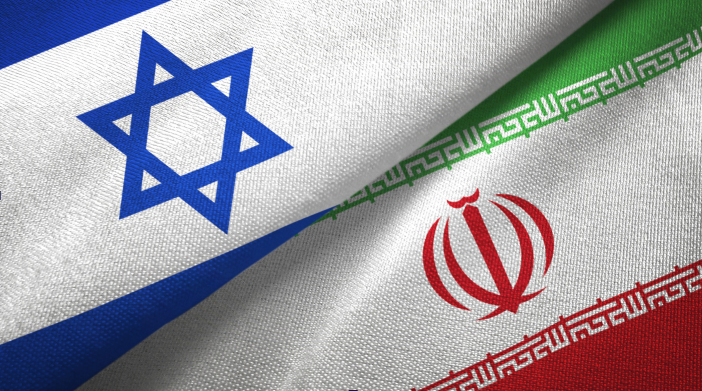
The conflict between Israel and Iran Conflict is one of the most serious and complex geopolitical disputes in the Middle East today. While tensions have existed for decades recent years have seen a dramatic escalation from indirect hostilities to direct military confrontations impacting regional stability and international relations.
Historical Roots of the Conflict
The rivalry between Israel and Iran can be traced back to the Iranian Revolution of 1979, when Iran’s new regime shifted from a cooperative relationship with Israel to intense opposition. Iran began rejecting Israel’s legitimacy and supporting groups that opposed Israeli policy in the region. Over time, Tehran built alliances with militant groups such as Hezbollah in Lebanon and Hamas in Gaza creating a network often described as the “Axis of Resistance,” which challenged Israeli influence indirectly. This proxy strategy helped keep tensions simmering for years.
Another core driver of the conflict has been concern over Iran’s nuclear program. Western nations and Israel have long feared that Iran’s enrichment of uranium could be a path to developing nuclear weapons, which would dramatically alter the balance of power in the Middle East. Attempts to limit Iran’s nuclear ambitions through diplomacy led to the 2015 Joint Comprehensive Plan of Action (JCPOA). After the United States withdrew from the deal in 2018, Iran restarted some nuclear activities, deepening mistrust and exacerbating tensions.
Recent Escalations and Direct Confrontations
For much of the early part of the 21st century, much of the Israel-Iran rivalry played out through proxy conflicts and covert operations, including cyberattacks, assassinations of military figures, and support for opposing forces in Syria, Lebanon, and Iraq. However, this changed substantially in 2024 and 2025 when the conflict moved into open military engagements.
In 2024, Iran launched large barrages of missiles and drones at Israeli cities, marking a significant escalation from indirect attacks to direct state-to-state conflict. Israel responded with targeted strikes against Iranian military infrastructure and allied forces in the region, creating a cycle of retaliation. Early in June 2025, Israel launched “Operation Rising Lion,” a major campaign of airstrikes targeting Iranian nuclear sites and military installations. In retaliation, Iran fired hundreds of ballistic missiles and drones toward Israel, striking cities including Tel Aviv and Haifa. This exchange represented some of the most intense direct military conflict between the two nations in history.
Broader Regional and Global Implications
The Israel and Iran conflict has implications far beyond their borders. The confrontation has drawn in global powers, particularly the United States, which has deep strategic ties with Israel and has at times considered direct military involvement to prevent regional escalation. Statements from Iranian leadership have emphasized that attacks on key figures or territory would be treated as declarations of war, raising fears of a wider regional conflict.
International institutions like the International Atomic Energy Agency (IAEA) remain concerned about nuclear inspections and compliance with global treaties, as unresolved questions about Iran’s nuclear program continue to fuel distrust.
Human and Economic Costs
The direct confrontations in 2025 inflicted casualties on both sides and damaged civilian infrastructure. Tens of thousands of people have been affected by missile strikes, air defenses, and military operations that disrupted daily life. The economic impact on Iran has also been substantial, with disruptions to oil exports and major industry contributing to financial strain on its economy.
Conclusion
The Israel and Iran conflict is rooted in historical ideological and strategic disputes. What began as political rivalry and proxy confrontations has escalated into direct military engagements with serious humanitarian economic and geopolitical consequences. While ceasefires have been reached at different moments the underlying tensions remain unresolved. Understanding this conflict requires recognizing its long history the central issue of nuclear proliferation and the regional impact of actions taken by both nations and their allies. Continued diplomatic efforts transparency and negotiation remain crucial to preventing further escalation and fostering long-term stability in the Middle East.
